Metal Roofing and Siding Contractors Near Me Ultimate Guide to Local Experts
Finding reliable metal roofing and siding contractors near you ensures that experts match the materials, installation methods, and design approaches to your local climate and building codes. These professionals understand region-specific requirements such as snow load, wind ratings, and thermal efficiency, which are critical for ensuring performance, durability, and safety.
Local contractors are familiar with zoning regulations, HOA guidelines, permitting processes, and building inspection standards that vary by area. They can source materials suited to local standards, like Galvalume®-coated steel for corrosion resistance or specialized coatings that reflect solar heat, a key concern in areas with intense sun exposure.
Key Qualifications and Certifications to Look For
Top-tier contractors often hold certifications such as SMACNA (Sheet Metal and Air Conditioning Contractors’ National Association) membership, indicating training in sheet-metal roofing and siding standards. Others may have brand-specific credentials for installing standing seam systems, stone-coated steel, or supported warranties from manufacturers like EDCO Products or MetalMax.
These credentials mean contractors are:
-
Proficient in advanced cutting, fastening, ridge venting, and seam-sealing techniques
-
Trained to install underlayment, snow guards, and ice-dam defenses
-
Knowledgeable about cooling technology (e.g., cool‑color coatings) that boost energy efficiency.
This level of expertise ensures installations that remain watertight, durable, and code-compliant.
Installation Technologies and Best Practices

Metal roofing and siding require precise methods and tools that differ from standard materials:
-
Laser levels and digital layout systems ensure panels or standing seams line up perfectly, preventing water ingress and maintaining design integrity.
-
Specialized cutting equipment such as electric shears and seamers create clean edges, while pneumatic screw guns ensure fasteners are set at the correct torque vital for panel longevity.
-
Thermally reflective coatings and Galvalume® finishes reflect solar radiation, reducing cooling costs and protecting facades from UV deterioration.
-
Seam sealing and flashing techniques prevent leaks at ridges, valleys, and penetrations. High-end contractors use manufacturer-approved sealants and designs to secure critical junctions.
-
Underlayment and sub-structure installation, such as vapor barriers or insulated clips, help manage moisture and thermal bridging, especially necessary in coastal or high-snow-laden regions.
Certified professionals follow these best practices to deliver structurally and aesthetically sound results.
Real‑World Examples of Metal Roofing and Siding Installations

Contemporary Standing Seam Roof in a Snow Zone
A contractor installed a Galvalume® standing seam roof on a home in the Midwest, integrating reinforced underlayment, snow guards to prevent avalanches, and cool-color panels to reflect solar heat. The result improved energy efficiency and snow-slide control, crucial in heavy-snow regions.
Stone-Coated Steel in Hail-Prone Area

On a home in a storm-heavy region, stone-coated steel roofing was selected to resist hail impact and wind uplift. The installer used manufacturer-recommended fasteners and sealed joints to meet a 120 mph wind rating, enhancing damage resistance during severe weather.
Corrugated Metal Siding on a Barn

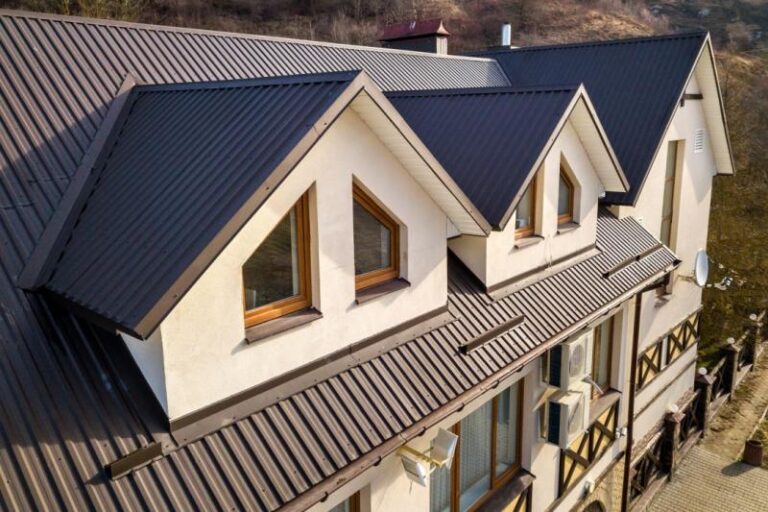
An agricultural property installed 7/8″ corrugated metal siding for durability, using heavy-gauge panels with Galvalume® coating. Contractors applied a simulated wood finish for aesthetic appeal, while reinforcing beams and sealants addressed expansion and water resistance
Residential Duplex with Color-Matching Panels

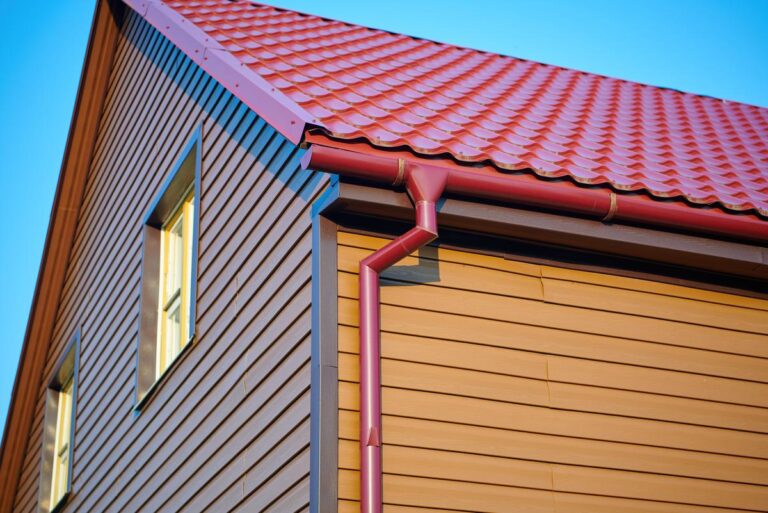
A duplex renovation used EDCO Perspectives® metal siding in board-and-batten style with RealGrain™ wood textures. The contractor precisely matched trims and embedded gutters under edges for a clean, water-secure finish.
Custom Shelter with Curved Metal Roof

For a public pavilion, installation involved curved standing seam panels fabricated on-site to match architectural contours. Roofing panels were seamed with thermally insulated clips, reducing expansion stress and potential leak points.
Practical Benefits of Metal Roofing and Siding
-
Longevity and durability: Metal roofs last 50–70 years and require little maintenance; siding panels can last equally long when correctly installed.
-
Energy efficiency: Reflective coatings reduce cooling costs by up to 40%, and thermal barriers minimize heat transfer.
-
Weather resilience: Metal withstands hail, wind, fire, and moisture better than asphalt or wood. Proper underlayment and fasteners prevent leaks.
-
Environmentally friendly: Metal is recyclable and often contains recycled content, helping reduce landfill waste from tear-offs.
-
Design flexibility: Available in varied profiles from corrugated panels to modern standing seam metal siding, and roofs can mimic wood, slate, or shingles.
Use Cases: How Metal Roofing & Siding Solve Common Problems
Hail Impact Damage
Metal roofing withstands impact much better than asphalt. Replacing damaged shingles with stone-coated or standing seam solutions reduces insurance claims and exterior repairs.
Wildfire Resistance
Non-combustible metal siding and roofing protect structures in fire-prone areas. Installers add ember-resistant vents and seals to prevent ignition sources.
Energy Overheating in Summer
Homes in hot climates benefit from cool-roof coatings and insulated siding, reducing air conditioning loads by reflecting solar radiation.
Moisture & Mold from Snow and Rain
In areas with snow or heavy rain, metal systems with air gaps and properly sealed seams prevent water penetration and mold growth in wall cavities.
Industrial or Agricultural Durability
Metal buildings like barns or warehouses use corrugated siding for robust, low-maintenance walls resistant to weather, pests, and mechanical damage.
Frequently Asked Questions
1. How long does metal roofing and siding last?
Quality metal roofs last 50–70 years or more, while metal siding panels can endure similarly long with proper upkeep. Coatings help maintain performance over time.
2. Are metal roofs noisy?
Per respected sources, properly installed metal roofs are no noisier than asphalt shingles. An insulated underlayment and wood sheathing dampen sound, making installed roofs quiet.
3. Do metal roofs attract lightning?
Metal is conductive but does not attract lightning. If lightning strikes, it travels along the metal rather than being drawn specifically to it. Metal roofing typically improves safety due to non-combustibility.