Hardie Plank Siding Contractors Expert Guide to Fiber Cement Siding Installation
Hardie Plank siding contractors are professionals who specialize in the installation of James Hardie fiber cement siding, particularly the highly popular HardiePlank® Lap Siding. This siding is known for its strength, long-lasting performance, and aesthetic versatility, making it one of the most sought-after materials in residential construction and remodeling.
These contractors are typically certified or experienced in handling fiber cement, a material that behaves very differently from wood, vinyl, or metal siding. Professional contractors understand the technical nuances of cutting, fastening, sealing, and finishing Hardie Plank siding, ensuring that installations meet the strict requirements of the manufacturer and local building codes.
Hiring a specialized contractor is critical not just for aesthetics, but also for protecting your investment. When properly installed, Hardie Plank siding can last for decades, offering superior resistance to fire, moisture, pests, and weather extremes.
Why Hardie Plank Siding Requires Specialized Contractors
Unlike traditional siding materials, Hardie Plank is made from a mixture of cement, sand, and cellulose fibers. This composition makes it extremely durable but also heavier and more challenging to work with. Standard tools and techniques are not sufficient—contractors must use diamond-tipped saw blades, specific fasteners, and follow exact spacing guidelines.
Specialized Hardie siding contractors are trained in:
-
Cutting techniques that minimize silica dust exposure
-
Installing siding in compliance with James Hardie’s best practices
-
Sealing joints and penetrations to prevent moisture intrusion
-
Applying flashing and trim elements for a complete weatherproof barrier
Moreover, certified contractors often provide access to extended product warranties, ensuring your siding remains protected under both manufacturer and workmanship guarantees.
Modern Technology Used by Hardie Siding Contractors

Hardie Plank siding installation is a process enhanced significantly by modern tools and technological systems. Skilled contractors use advanced equipment to ensure precise cuts, consistent spacing, and a flawless finish that lasts for years.
Fiber Cement Cutting Tools: These include low-dust circular saws with HEPA vacuum attachments to protect installers from silica dust, a known health hazard. Using these tools ensures cleaner job sites and safer working conditions.
Laser Measuring Devices: Accuracy is essential when cutting fiber cement panels. Laser-guided measurement systems help contractors avoid misalignments and gaps, which could otherwise compromise insulation or moisture resistance.
Climate Engineered Products: The HardieZone® System allows contractors to select siding that’s specifically engineered for local climates. HZ5® is made for freezing conditions and moisture, while HZ10® is designed for high heat and humidity.
ColorPlus® Technology: Many contractors work with pre-finished HardiePlank siding featuring ColorPlus baked-on finish, which resists chipping and fading. This reduces maintenance for homeowners and ensures consistent color coverage.
By leveraging technology, contractors increase installation efficiency while reducing human error and ensuring compliance with product specifications.
Real-World Examples of Hardie Plank Siding Projects

Colonial Home Renovation in Massachusetts
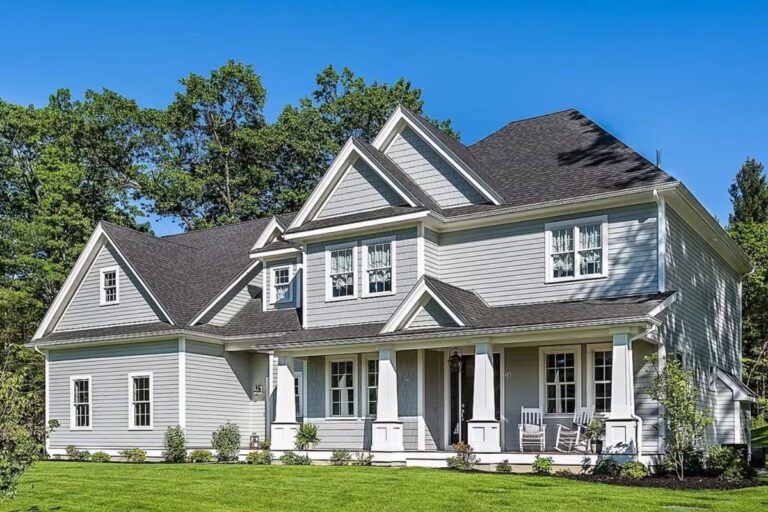
A homeowner in Boston renovated a century-old colonial home using HardiePlank® Lap Siding with a smooth finish in gray. The contractor selected HZ5® siding due to the harsh New England winters and integrated insulation to boost energy efficiency. The installation brought new life to the historic property while maintaining its architectural charm.
Craftsman-Style Bungalow in Oregon
In Portland, a family chose HardiePlank siding in an earth-tone palette to upgrade a 1940s Craftsman bungalow. A certified Hardie contractor managed the entire installation, incorporating ColorPlus Technology for a maintenance-free exterior and adding decorative trim that preserved the home’s traditional detailing.
Modern Duplex Build in Phoenix
A real estate developer in Phoenix worked with a local contractor to install HardiePlank siding on a new duplex. Due to extreme temperatures, the contractor used HZ10® siding for added UV and heat protection. The lap siding was installed with horizontal orientation and minimalistic trim to support the sleek architectural design.
Storm Recovery Project in Louisiana
After hurricane damage, a Baton Rouge homeowner replaced their storm-damaged vinyl siding with HardiePlank. The contractor chose HZ10® siding for its impact resistance and ability to withstand extreme humidity. The installation included a new weather barrier system and improved flashing around windows.
Energy Efficiency Upgrade in Illinois
In suburban Chicago, an energy-conscious homeowner replaced their aging aluminum siding with HardiePlank. The contractor used insulated panels behind the siding and sealed all seams to reduce thermal bridging. This renovation led to significant reductions in heating costs and improved curb appeal.
Practical Benefits of Choosing Hardie Plank Siding Contractors

Increased Longevity and Durability
Hardie Plank siding is designed to last up to 30–50 years, but only when installed correctly. Trained contractors ensure that seams are sealed, panels are spaced accurately, and weather barriers are properly installed extending the product’s life and performance.
Fire and Pest Resistance
Hardie Plank siding is non-combustible and resists common pests like termites and carpenter ants. Contractors make sure the siding is properly sealed and fastened to eliminate points of entry for insects or embers in wildfire zones.
Moisture Control and Weather Resistance
Improperly installed siding can trap moisture, leading to mold and rot. Certified contractors install flashing, use weather barriers, and maintain proper clearances from the ground to ensure moisture drains away from your home.
Visual Appeal and Versatility
From traditional lap siding to board-and-batten styles, HardiePlank offers a wide range of aesthetic options. Professional contractors understand how to mix and match textures, colors, and trim to enhance the architectural character of your home.
Improved Property Value
Siding is one of the first things buyers notice. A home outfitted with properly installed HardiePlank siding often commands a higher resale value and attracts more potential buyers thanks to its low maintenance and attractive appearance.
Real-Life Use Cases Solved by Hardie Siding Contractors

Replacing Failing Wood Siding
HardiePlank is often used to replace rotting wood siding. Contractors strip away damaged material, address any underlying sheathing or moisture issues, and install durable, fire-resistant siding that won’t warp or crack over time.
Upgrading from Vinyl for Aesthetic Reasons
Many homeowners find that vinyl siding lacks the authentic look of traditional materials. Contractors can install HardiePlank with wood-grain textures that provide a more natural and upscale appearance while maintaining ease of care.
Storm and Fire Damage Restoration
Hardie Plank siding is an ideal solution after natural disasters. Contractors are often called upon by insurance-covered projects to replace compromised exteriors with fiber cement, offering homeowners peace of mind and increased resistance.
Energy Retrofits
During energy retrofits, contractors install a continuous insulation layer behind the HardiePlank. This is especially useful in older homes where walls lack adequate insulation, improving both comfort and energy efficiency.
Modernizing Older Structures
Historic homes can be modernized with HardiePlank without losing their charm. Contractors replicate original architectural styles using modern materials, bringing together performance and authenticity.
Frequently Asked Questions (FAQ)
1. What makes a contractor qualified to install Hardie Plank siding?
Qualified contractors have experience with fiber cement siding, proper licensing, and often certifications from James Hardie. They follow specific installation standards that ensure siding durability, appearance, and warranty compliance.
2. Can Hardie Plank siding be installed in any climate?
Yes, HardiePlank siding comes in different formulations (HZ5® and HZ10®) suited for cold, wet, hot, or humid environments. Certified contractors select the appropriate version based on your regional climate.
3. How long does a typical HardiePlank siding installation take?
Project duration varies by home size and complexity, but a typical residential installation takes between 7 to 14 days. This includes removal of old siding, surface preparation, and final cleanup.