Hardie Plank Contractors: Your Guide to Certified Fiber Cement Siding Experts
A Hardie Plank contractor is a siding professional trained specifically in the installation of James Hardie’s fiber cement products, most notably Hardie Plank lap siding. These contractors are not general siding installers; they’re experts who understand the detailed requirements of working with fiber cement materials, from moisture management to climate-specific product selection.
Unlike traditional vinyl or wood siding, Hardie Plank is engineered to be more durable, longer-lasting, and resistant to fire, moisture, pests, and weather extremes. Due to its composition, installation demands precision and specific tools. Hardie Plank contractors are usually certified by the manufacturer, meaning they’ve undergone hands-on training and comply with James Hardie’s installation standards to maintain warranty coverage and product integrity.
Qualifications of Certified Hardie Plank Contractors

Hardie Plank contractors often hold certifications through the James Hardie Contractor Alliance™ Program, which validates their skill, compliance with best practices, and commitment to customer satisfaction. These qualifications help ensure every Hardie installation is completed according to the product’s performance standards.
Elite and Preferred Contractors represent the top-tier category in this program. They meet stringent requirements, including:
-
Proof of proper licensing and insurance
-
A track record of high customer satisfaction ratings
-
Use of James Hardie-recommended products and installation techniques
-
On-site audits and periodic performance reviews
This distinction matters because only certified professionals can guarantee that the installation process won’t void the product’s long-term warranty.
Technologies and Tools Used by Hardie Plank Contractors

Installing fiber cement siding like Hardie Plank is not the same as applying traditional siding. Contractors use specialized tools and follow best practices that improve both the appearance and durability of the finished product.
1. Fiber Cement Cutting Tools
Unlike vinyl or wood, Hardie Plank requires diamond-tipped blades or scoring tools designed to handle fiber cement. These reduce chipping and allow clean cuts for tight-fitting joints.
2. Moisture Management Systems
Contractors install vapor-permeable house wraps and flashing systems to prevent moisture buildup behind the siding. These layers work in tandem with the Hardie Plank to improve energy efficiency and reduce the risk of mold or rot.
3. Laser-Leveling Equipment
For a straight, professional appearance, contractors use laser levels or chalk lines to ensure the planks are uniformly aligned across large surfaces.
4. Pneumatic Nailers with Correct Pressure Settings
To avoid cracking or over-driving fasteners, certified contractors use calibrated pneumatic nailers tailored for fiber cement.
5. Climate-Specific Product Selection
James Hardie offers different HardieZone® formulations based on regional weather conditions. Contractors are trained to select and install the right product, such as HZ5® for freezing temperatures or HZ10® for hot, humid climates.
Real-World Example Projects Using Hardie Plank Contractors

Craftsman Bungalow Restoration in Oregon
A 1920s-era bungalow in Portland underwent a full exterior renovation. A certified Hardie Plank contractor installed HZ5® lap siding with a smooth finish to replicate the historical look, using a moisture barrier system tailored for the region’s rainy climate. The use of ColorPlus® pre-finished boards also reduced long-term painting needs, keeping the charm while modernizing the performance.
Suburban Remodel in North Carolina
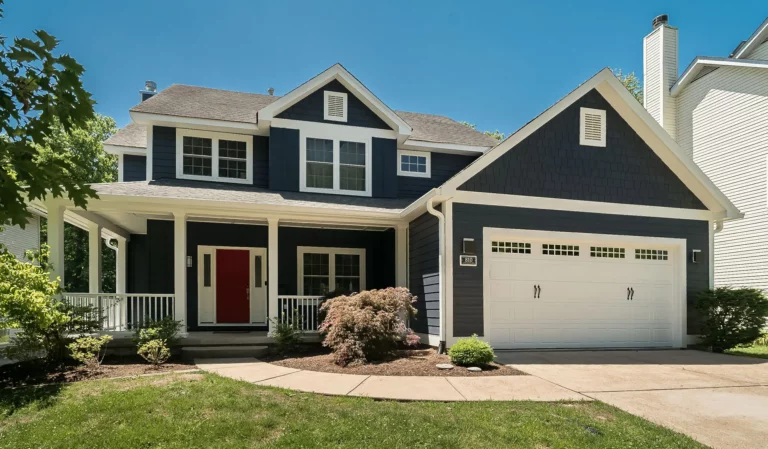
In Charlotte, a family sought to upgrade from worn-out vinyl siding. The contractor chose HZ10® Hardie Plank with ColorPlus® technology in a rich blue tone. This siding resists fading from the hot sun and delivers long-lasting curb appeal. Installation included foam sheathing underlayment for improved insulation and energy efficiency.
Hurricane-Zone Home in Florida
Located in a coastal area subject to hurricanes, this home was reclad with Hardie Plank siding designed for high-impact zones. The contractor added stainless-steel fasteners and installed boards with proper spacing for expansion and contraction. This made the structure more resilient to storm-driven rain and wind.
Energy-Efficient Home in Denver
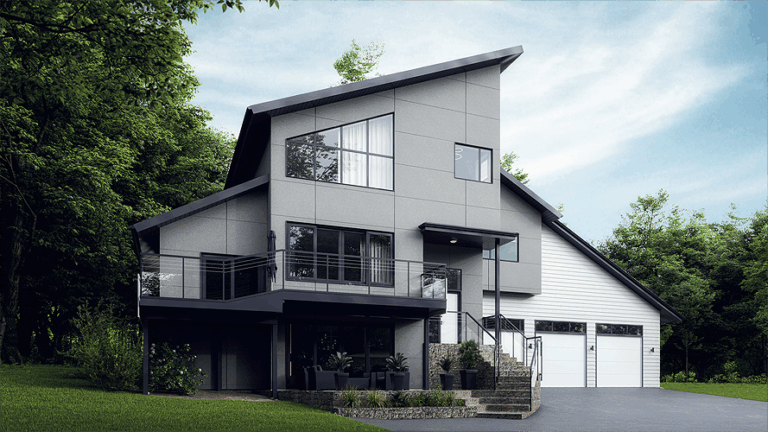
A modern build in Denver used Hardie Plank siding over a rain screen system, allowing ventilation behind the boards. The contractor selected HZ5® siding with custom trim and ColorPlus® finish to reduce maintenance in cold conditions while adding to the home’s energy performance.
Benefits of Hiring Certified Hardie Plank Contractors
1. Manufacturer Warranty Protection
Hiring a certified contractor ensures your siding is installed in accordance with James Hardie’s guidelines, maintaining the full warranty on both labor and material. Incorrect installation by uncertified contractors can void coverage.
2. Climate-Tailored Installations
Contractors trained by James Hardie know how to select siding based on climate zones, ensuring longevity and minimizing maintenance issues like warping, cracking, or moisture intrusion.
3. Clean and Professional Results
With tools like laser levels and fiber cement-specific cutting gear, certified contractors deliver uniform, high-quality finishes that improve curb appeal and structural integrity.
4. Lower Long-Term Maintenance
Correct installation and use of ColorPlus® technology reduces repainting costs, resists mold/mildew, and prevents color fading.
5. Fire and Pest Resistance
Fiber cement siding naturally resists fire and pests. Certified contractors ensure all joints, cuts, and penetrations are properly sealed to enhance this protection.
Use Cases: When and Why to Hire a Hardie Plank Contractor

Aging or Rotting Wood Siding
If your current wood siding is showing signs of rot or pest damage, a Hardie Plank contractor can replace it with a more durable fiber cement option that mimics the look of wood without the vulnerabilities.
Storm-Damaged Vinyl Siding
In areas frequently impacted by storms or hail, Hardie Plank offers stronger resistance. Contractors can retrofit homes with impact-resistant siding that stands up to wind and moisture better than vinyl.
Historical Home Renovation
Preserving the appearance of an older home while upgrading performance is possible with Hardie Plank. Contractors use smooth or beaded profiles to replicate original looks while offering modern protection.
Energy Efficiency Upgrades
When used in combination with proper insulation, a Hardie Plank installation can improve a home’s thermal efficiency. Contractors understand how to integrate rain screens and vapor barriers for optimal energy performance.
Flammable Zone Construction
Hardie Plank’s non-combustible rating makes it a top choice for homes in wildfire-prone regions. Certified contractors install it with proper spacing and fire-rated sealants to meet local building codes.
Frequently Asked Questions
1. Is it necessary to hire a certified contractor for Hardie Plank siding?
While not legally required, hiring a certified contractor ensures your siding is installed according to the manufacturer’s specifications. This protects your product warranty and ensures a durable, lasting finish.
2. What’s the difference between Hardie Plank and regular fiber cement siding?
Hardie Plank is a branded product from James Hardie, known for its advanced engineering, durability, and climate-specific formulations. Other fiber cement products may not offer the same longevity, finish quality, or warranty support.
3. Can Hardie Plank siding improve my home’s resale value?
Yes, it’s widely considered a high-ROI upgrade due to its long lifespan, minimal maintenance needs, and resistance to common siding failures. Real estate professionals often highlight it in listings.