Cement Board Siding Companies In‑Depth Guide for Fiber Cement Professionals
Cement board siding companies specialize in installing fiber cement siding, commonly known as cement board siding, a durable exterior cladding made from cement, sand, and cellulose fibers. These professionals offer design guidance, ensure precise installation, and handle complex aspects such as moisture barriers, flashing, and climate-specific product selection. Their expertise goes beyond simple siding application, often involving pre-installation inspections and substrate preparation to ensure structural longevity.
Established companies typically carry manufacturer certifications such as James Hardie Contractor Alliance™ vetting or Nichiha accreditation that prove their ability to install according to required standards for warranty compliance, aesthetic quality, and performance.
Key Qualities to Look for in a Cement Board Siding Company

A reputable firm will showcase:
-
Certifications and training: Recognition by leading manufacturers like James Hardie or Nichiha ensures compliance with best practices.
-
Comprehensive portfolios: Examples of finished projects in various styles and climates demonstrate technical skill and design versatility.
-
Warranty alignment: Companies must adhere to manufacturer specifications to preserve product warranties against fire, moisture, and UV damage.
-
Local climate knowledge: Fiber cement boards are engineered for the climate zones. Contractors should choose correct variations for durability in specific regions .
-
Customer testimonials: Reviews detailing installation quality, post-project support, and responsiveness attest to reliable service.
Technology and Best Practices in Cement Board Siding

Modern cement board siding installations leverage advanced techniques and equipment to deliver superior performance.
Cutting and handling protocols involve low‑dust saws with vacuum attachments and diamond‑tipped blades, reducing silica exposure and ensuring clean board edges. For precise alignment, contractors rely on laser leveling tools and chalk lines critical for aesthetic uniformity and structural integrity in both horizontal and vertical siding profiles.
Climate adaptation is enabled by product systems like HardieZone® and similar frameworks from other brands ensuring boards match regional UV, moisture, and temperature requirements . Pre-finished color technologies (e.g., ColorPlus® for James Hardie or Nichiha shaded panels) reduce long-term painting needs and resist fading.
Moisture management is essential: installers build multiple layers, including house wrap, drip flashing, through-wall flashings, and sealed caulking systems. These protect against leaks, mold, and substrate damage. On larger projects, contractors may also use moisture meters or thermal imaging to identify hidden issues before installation.
Real‑World Projects by Cement Board Siding Companies

Contemporary Street-Facing Home in Northern California
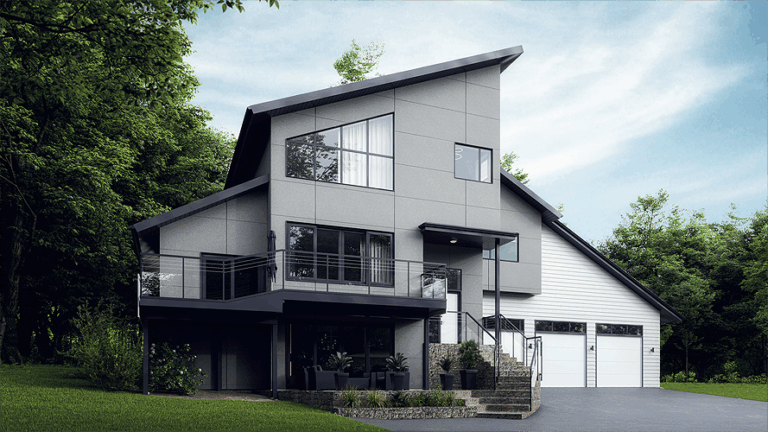
A certified installer used large-format cement panels for a sleek, modern façade. Precision laser-alignment and integrated joint flashings created a seamless, weather-resistant exterior suitable for a coastal climate prone to salt, wind, and rain.
Beach Cottage in South Carolina
In a hurricane-prone region, a siding company used shingle-style boards with impact-rated fasteners and prefinished sealer to resist storm surge moisture and airborne salt. This choice preserved the aesthetic appeal and ensured coping with extreme weather events.
Heritage Home Restoration in New England
A century-old bungalow was restored with fiber cement lap siding in a shake texture, replicating original woodgrain. Cold-weather rated boards and thick sheathing boosted insulation while preserving architectural authenticity.
Suburban Infill Project in Texas
Developers selected fiber cement lap siding tailored for heat resilience and installed by a certified crew. Laser-leveled installation and ColorPlus finish reduced maintenance and ensured consistency across multiple units.
Benefits of Hiring Expert Cement Board Siding Companies

Fire, Pest, and Moisture Resistance
Fiber cement siding is naturally non-combustible and repels insects. With properly sealed joints and flashing, it becomes even more protective against mold or structural damage.
Longevity and Low Maintenance
These materials can withstand decades of sun, rain, and wind without warping. Pre-finished boards retain color and require occasional cleaning rather than full repainting.
Design Flexibility
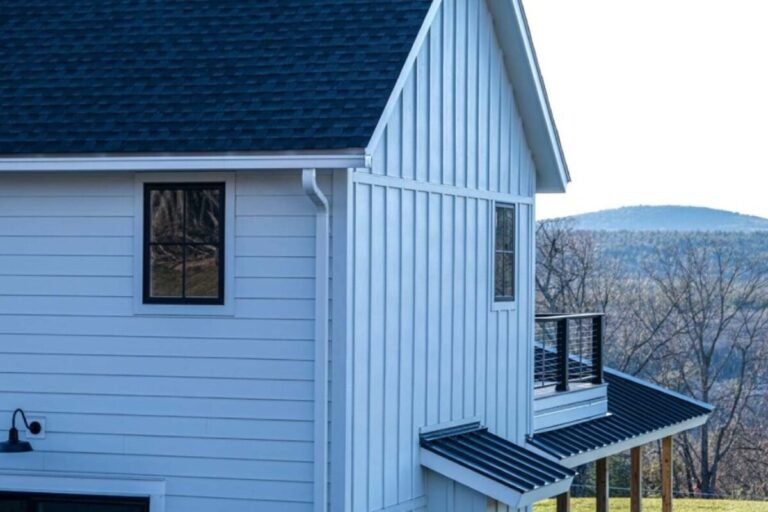
Boards are available in styles like lap, panel, shingle, and board‑and‑batten, allowing homeowners and architects to choose aesthetics without sacrificing performance.
Climate-Specific Performance
Siding companies match products to local weather zones, increasing durability and reducing long-term issues, especially in areas with freeze-thaw cycles or coastal exposure.
Warranty Compliance
Professional installations following manufacturer protocols preserve significant warranties—some up to 30–40 years, while poor installation can void coverage.
Real‑Life Use Cases Explained

Replacing Failing Vinyl or Wood Siding
Old siding often leads to rot, leaks, and thermal inefficiency. Fiber cement restorations by experts fix substrate problems, then install durable boards that require minimal upkeep.
Fire-Safety Upgrades in Wildland Areas
Certified installers seal joints with fire-rated materials, transforming wood‑clad facades into safer exteriors that meet strict building codes for ember resistance.
Storm-Resilient Construction
In coastal states, siding companies install impact‑rated boards on reinforced substrates, protecting homes from debris and wind-driven rain during hurricanes.
Historic Preservation
Frame bungalows or colonial homes benefit from high-performance aesthetics through carefully matched textures and trim styles applied with architectural accuracy.
Energy-Saving Retrofits
By incorporating insulation and moisture barriers behind siding, contractors help reduce drafts and thermal bridging, lowering heating and cooling loads.
Frequently Asked Questions
1. What should I ask a cement board siding company to ensure quality?
Verify manufacturer certifications, review detailed portfolios, check for full-site warranty compliance documentation, and ask about climate-specific installation techniques.
2. Are cement board siding companies worth the premium?
Professional installations preserve long-term value, reduce maintenance, avoid water damage, and maintain warranty protection, far outweighing initial cost increases.
3. How long does cement board siding last?
Fiber cement typically lasts 30–50 years. With certified installation, it resists warping, moisture, pests, and fire, outperforming vinyl or wood significantly.